

How Medications & Supplements can Interact
Many Americans take dietary supplements along with prescription or over-the-counter medications.
Sometimes, taking medications and supplements together may have unintended effects, including:
- Increasing the medication’s effects
- Decreasing the medication’s effects
- Interacting with the medication in harmful ways
Some Supplements May Increase the Effects—and Side Effects—of Medications
Sometimes, taking a medication and a supplement together may increase a medication’s effects. This can result in the medication being too strong and raise the risk of unwanted side effects.
For example, glucosamine may increase the effects of anticoagulants (blood thinners) such as warfarin (Coumadin), which can increase the risk of serious bruising and bleeding.
Ashwagandha seems to have sedative effects, and there is some preliminary evidence that it may increase the effects of some benzodiazepines (Valium) and other sedatives and anti-anxiety drugs, including Xanax.
Some Supplements May Decrease the Effects of Medications
Sometimes, taking a medication and supplement together may decrease the medication’s effects. This means that you aren’t getting the full benefit from the medication that your health care provider wants you to have.
The popular herbal supplement St. John’s wort is known to decrease the effects of drugs. It does this by speeding up the processes in your body that change drugs into inactive substances.
Some common medications that are affected by St. John’s wort include:
- Antidepressants
- Birth control pills
- Cyclosporine, which prevents the body from rejecting transplanted organs
- Some heart medications, including digoxin and ivabradine
- Some HIV medications, including indinavir and nevirapine
- Some cancer medications, including irinotecan and imatinib
- Warfarin, an anticoagulant (blood thinner)
- Certain statins, including simvastatin
Recent research found that levels of metformin (the most commonly prescribed medication for people with type 2 diabetes) decreased about 25 percent in healthy adults who were given goldenseal extract plus metformin. This drop was enough to potentially hinder glucose control in people with type 2 diabetes taking metformin.
In addition, green tea at high doses has been shown to reduce blood levels and therefore the effectiveness of the drug nadolol, a beta-blocker used for high blood pressure and heart problems. It may also interact with other medicines.
Interactions With Over-the-Counter Medications
When people think about interactions, they often think about prescription medicine.
But some medications that are available without a prescription can also interact with supplements.
Black cohosh and St. John’s wort supplements may interfere with the effectiveness of fexofenadine (Allegra). Additionally, goldenseal, St. John’s wort, kratom, and cannabidiol (CBD) may interact with many medications, including those available without a prescription.
If you’re considering taking both an over-the-counter drug and a dietary supplement, it’s a good idea to talk with your health care provider or a pharmacist about possible interactions.
Some Medication-Supplement Interactions Can Be Serious
There are two situations when medication-supplement interactions are especially important:
- When you’re taking a medication that has what health care providers call a “narrow therapeutic range”
- When you’re going to have surgery
In these situations, it’s particularly important to talk with all your health care providers about the dietary supplements you’re taking now and any you may be considering taking in the future.
Medications With a Narrow Therapeutic Range
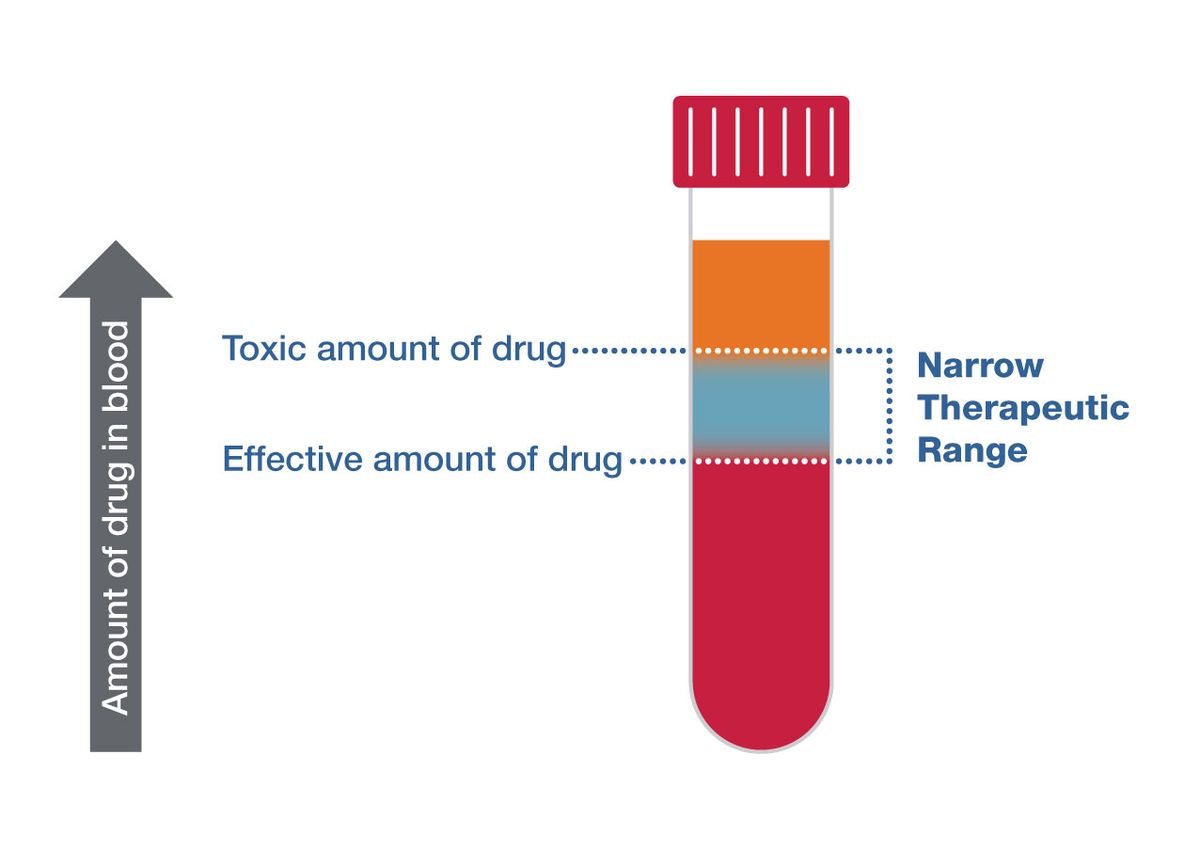
Having the right level of certain medications in your body is crucial. If the amount of the medication is even a little too low or too high, it can cause serious reactions that can be life-threatening or have life-altering outcomes.
Medications like these are said to have a “narrow therapeutic range” or “narrow therapeutic index.” Interactions are of special concern for medications with a narrow therapeutic range.
Examples of medications with a narrow therapeutic range:
- Carbamazepine (used to prevent seizures)
- Cyclosporine (used to prevent organ transplant rejection)
- Digoxin (used to treat heart problems)
- Phenytoin (used to prevent seizures)
- Warfarin (an anticoagulant—also called a blood thinner)
If You’re Going To Have Surgery
If you’re going to have surgery, talk with your health care providers as far in advance of the procedure as possible, and tell them about all dietary supplements that you’re taking.
Some dietary supplements may cause problems during surgery because:
- They may affect your response to anesthetics or to other medicines that you may be given before, during, or after the operation
- They may increase your risk of bleeding
- They may cause serious changes in your heart rate or blood pressure
Some health care providers will ask patients to discontinue all herbal supplements several weeks before having elective surgery (surgery that can be scheduled in advance).
Information provided and published by the National Center for Complementary and Integrative Health